By Chelsea Daniel
The Australian coming-of-age film that fails to bloom into its own
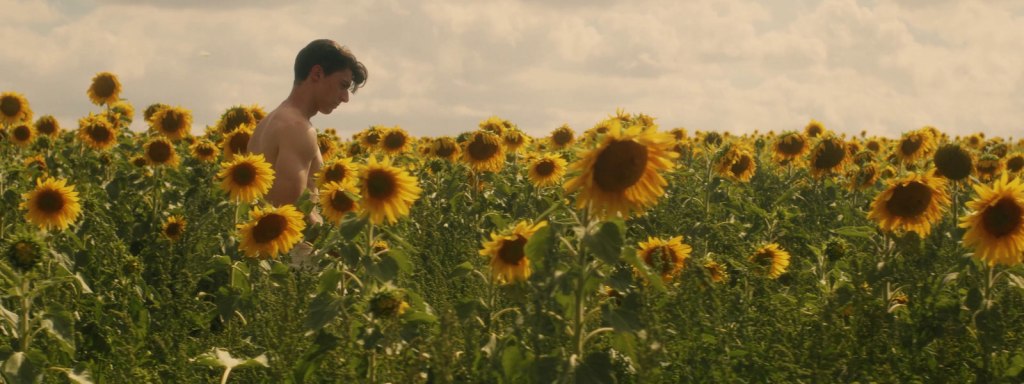
The use of sunflowers as a metaphor is hardly new or unique, but their usage is popular for good reason. With its obvious association with the sun, what makes a sunflower so ripe for symbolism is its role as an expression of happiness. It has unwavering support for the centre of the solar system, constantly turning as it matures towards the sun. What makes the sunflower so lovely and fitting is, it is always trying to find the light, and will do all that it can to get there. So when Sunflower begins with protagonist Leo (Liam Mollica) wandering through a field of them, in a scene drenched in warm hues, the message is clear.
It is then that this utopia falters. This opening scene is in direct contrast to the clip that follows, where we see seventeen-year-old Leo being subjected to a hate crime by other teenage boys. The warmth is gone, and there are instead cool tones from the blue sky and shadows. From what we find out, Leo is experiencing the danger of being himself. This darker scene will repeat later in the movie, but it is in these first two together that you can gauge what the film itself is fighting for: that it is necessary to have an undying loyalty for who you are, even if everything around you tries to fight against that. No matter what, the film seems to scream to you, you must always search for the sun.
Sunflower follows Leo as he struggles to understand and embrace his sexuality in the working class outer suburbs of Melbourne. The reference the film and its synopsis makes to working class Australia is interesting, because I wouldn’t say the setting depicted explicitly reflects that knowledge. It is instead the masculinity that Leo is surrounded by that begs the audience for this association.
There is a specific type of masculinity associated within Australian working suburbs, a masculinity that shouts slurs regularly. This masculinity is physical and aggressive, and, while a friendship circle centred around sport and sex or the potential of it is a common theme in stereotypes, there is also a lawlessness that the film aims to connect with class. It is an environment an Australian audience can be familiar with, in not just our own lives but also within queer coming of age narratives themselves.
I’ll say this – while I think the film is aiming to make a statement on the role of masculinity and how it plays with queerness in working Australia specifically – it is too cliched and formulaic, that any attempt at real heart or a statement falls flat. To critique deeper feels overly generous.
There are few parts of this film that make it its own, leaving me disappointed about the lack of connection I felt for a queer coming-of-age film set in Melbourne. Its premise felt specifically catered to me, but at the end of the film, it really was only its premise. The highs, like the field of sunflowers, have been seen before in better ways. This year alone saw another Australian queer coming-of-age film in Lonesome open with its protagonist wandering in a field.
The structure isn’t awful, it is just too repetitive. One that is seen so regularly, it has become generic and can lack personality. What could have set it apart, like the working class masculinity it alludes to, is never fully explored, leaving a simplistic depiction of working Australia’s dynamics and relationship with queerness.
Sunflower can currently be seen at the Melbourne International Film Festival (running from August 3rd until the 20th in cinemas, and online through MIFF Play from the 18th until the 27th). For sessions on standby, some tickets may become available to purchase after 5 pm the night before the session, or you can join the standby queue at venues on the day, which does not guarantee entry but generally has a high success rate. Interested in writing a review of anything in exchange for a free ticket? Just fill out this form or send us an email at unimelbfilmsoc@gmail.com.
 MELBOURNE UNIVERSITY FILM INQUIRER