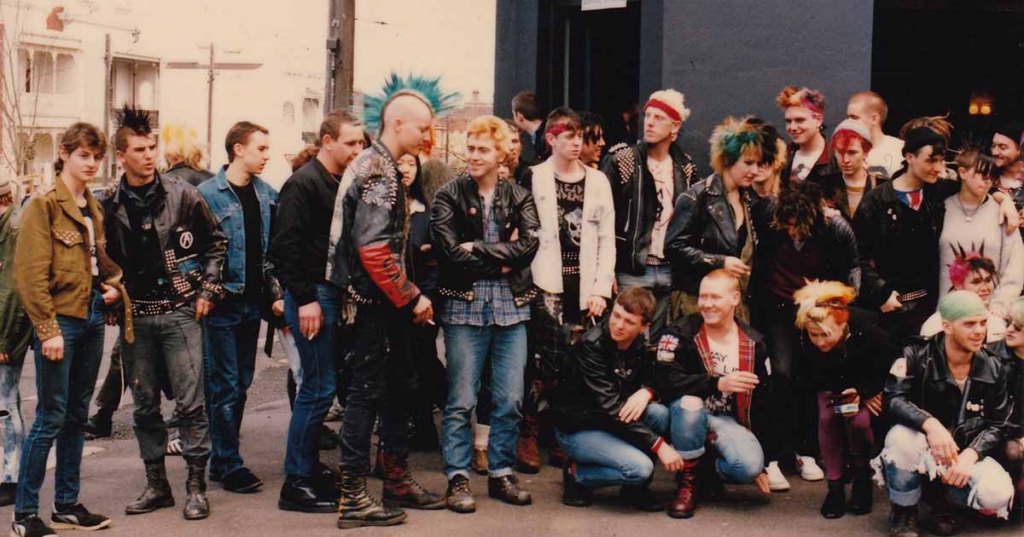
By Dahlia D’Onghia
The last decade or so has seen the revival of all things “punk”. Whether it’s on the runway, referenced in teen Netflix dramas or trending on TikTok, everywhere you look punk is there. When I first heard that there was a new documentary about the Australian punk scene, I wondered if it would just be the latest in a long line of trends cashing in on a movement that really only lasted a few years in the 1970s.
I admit, I didn’t live through the punk movement myself, but I was raised by someone who did. I’ve spent many hours (more like years at this point) reading, listening and learning about punk all over the world, so when I first saw the trailer for Age of Rage – The Australian Punk Revolution and didn’t recognise a single interviewee, I was intrigued and a little confused.
In the Q and A session after the screening, director Jennifer Ross said that she deliberately chose not to focus on the music of the period and rather on groups of “punks” from around Australia that most people wouldn’t have known about. I can understand not wanting to retell the same stories, however, what Ross neglected to realise is that without the music, the punk movement ceases to have any meaning. And that’s how I felt by the end of the film. Uninspired and unfulfilled.
As a lover and avid listener of punk music, when I watch a documentary about punk, I want to come out of it feeling excited and inspired. Many punk documentaries have had this effect on me and so I judge all punk documentaries by this standard. The punk movement is the most interesting and innovative music movement of the twentieth century, in my humble opinion, so doesn’t it follow that a documentary about the time should be equally exciting?
Don’t get me wrong, the film itself wasn’t a complete disaster. If you want to know about Australian police brutality in the 1970s and 80s, especially if you were squatting and playing punk music, then some of the footage in the film will be interesting to you. However, if you want to know about the original Australian punk scene, which for Australia came late in the early 1980s, Age of Rage is not the place to go.
The other issue I have is the generalisation given to the term “punk”. For those who know the history or lived through it, by 1985 punk (in its truest sense) in Australia was well and truly dead. Whatever came after in the late 80s and 90s looked very different to how it began. Post-punk, hardcore punk, pop punk, call it what you will, but understand that they are not all the same. And don’t say your film is about the “Australian punk revolution” and then proceed to talk about so-called “punks” spanning across three decades while neglecting to mention any of the bands that started the Australian movement.
If nothing else, Age of Rage is an exercise in nostalgia. But not the nostalgia of the public or of lovers of music from that period. Nostalgia for those involved in the film, including the director herself. When you choose to feature musicians and punks that most people have never heard of, and who subsequently make up the majority of the audience at the screening, it makes you wonder if maybe there’s a reason why no one’s ever heard of them. But who am I to say?
The last thing I’ll say is that: the punk movement that started in the mid 1970s wasn’t about “rage”, as the title of the film suggests. It was about freedom. Just ask John Lydon.
This freedom came from being brave enough to express yourself creatively without worrying about fitting into the mainstream. We seem to have lost this freedom today.
Despite the uninspiring effect of the documentary, attending this screening more importantly revealed to me the even more uninspiring truth about the state of music today. In this age of imitation, this sentiment can be summed up by a comment made during the Q and A after the screening by one of the few people in the cinema under the age of 30. When asked about the music scene in Melbourne today, the guy said, and I quote:
“We’re just ripping off what you guys did. We just talk about it more than we do it.”
No truer statement has been said.
Age of Rage – The Australian Punk Revolution is no longer screening at the Melbourne International Film Festival (running online through MIFF Play until the 28th). But there are plenty of other great and surprising (or not so great and unsurprising) films to check out still. Interested in writing a review of anything? Just send us an email.
 MELBOURNE UNIVERSITY FILM INQUIRER
Totally agree! I felt this doco was based on a small group’s photo album with a few key bands thrown in for good measure. I felt it didn’t reflect my experience of the Australian punk/goth scene of the late ‘80’s and early ‘90’s. Interesting that not long after filming the druggies interviewed had all passed away. Begs the question sadly, did this doco fuel their drug habits? This so I left me feeling like I’d wasted my night watching it. I enjoyed seeing some of the bands etc but the scruffy punks on it didn’t reflect the whole scene at the time by any means!!!!
LikeLiked by 1 person
This band heard this, and then released this, then this band did that, then that band toured america, then they got less interested in punk music, interviewing the band members, telling their stories.. .to me this kind of thing – the standard music documentary – is at odds with what punk scenes were about – or at least, the ones I was a part of. This documentary captured something of what being in an australian punk scene was like, in my experience, warts and all. It could have done with a touch more orientation, arguably, but the stories of the Saints and Radio Birdman have been told in various forms, already. Living a punk lifestyle is more than music. Punk scenes are no less interesting because some music journo or record company decides punk is dead. The whole point of them is that they exist outside all of that – which this documentary reflected really well. So it was pleasing to actually watch something that didn’t tell the familiar tale of the bands who made it and focus on people who were part of it – and again, in a punk scene, that’s the focus anyway; everyone in a band is just a mate having a good time, they just happen to be up there for now, and it’s kind of a good thing about it. Anyway, just my take, was curious to see what other people thought about it – thankyou for yours!
LikeLiked by 1 person